Guide
What Is Insulin Resistance? Signs, Tests and What Helps
Insulin resistance means the body's cells respond weakly to insulin, the hormone that moves sugar from the blood into cells. It often has no clear signs and shows up as blood sugar creeping into the prediabetes range on an A1C or fasting test. The best-studied help is lifestyle: the DPP cut type 2 diabetes risk by 58%. No supplement is a proven fix.
Written by the Glyco Defender label deskUpdated
Definition01
What is insulin resistance?
Insulin resistance is a state in which muscle, fat and liver cells answer insulin less strongly than they should, so sugar stays in the blood longer.
Insulin is the hormone that lets glucose leave the bloodstream and enter cells for fuel. When cells push back, the body tends to make more insulin to keep up.
For a while that extra effort can hold blood sugar near normal. Over time, numbers may drift into the prediabetes range and then into the diabetes range. That drift is what the blood tests below are built to catch.
Insulin resistance is not a diagnosis printed on most lab reports. Doctors usually talk about it through the A1C and glucose results that sit next to it.
Signs02
What are the signs of insulin resistance?
Insulin resistance usually has no signs you can feel. Most people learn about it from a blood test, not from a symptom.
A quiet start lets problems hide. According to the CDC, about 11.0 million U.S. adults have diabetes that has not been diagnosed (CDC, National Diabetes Statistics Report).
Symptoms tend to appear only once blood sugar is high. The CDC's list for diabetes includes the ones below (CDC, Symptoms of Diabetes). If you have any of them, ask for a blood test rather than waiting.
- Peeing more often than usual
- More thirst and more hunger
- Weight loss you did not plan
- Tiredness and blurry vision
- Sores that heal slowly, or tingling in the hands or feet
Tests03
How is insulin resistance tested?
Insulin resistance is usually tracked through three standard blood sugar tests: the A1C, the fasting plasma glucose and the 2-hour oral glucose tolerance test (NIDDK, Diabetes & Prediabetes Tests).
None of the three measures insulin directly. They show what insulin resistance does over time, which is let blood sugar rise.
A result in the prediabetes band is the usual first flag. A diabetes diagnosis needs two abnormal results. The full range chart, with a reading finder, sits on our normal blood sugar numbers guide.
| Test | How it is done | Prediabetes starts at |
|---|---|---|
| A1C | A standard blood draw; no fasting step listed in our sources | 5.7% |
| Fasting plasma glucose | A blood draw after not eating | 100 mg/dL |
| 2-hour OGTT | A set glucose drink, then a blood draw two hours later | 140 mg/dL |
What helps04
What helps insulin resistance the most?
Lifestyle change helps insulin resistance more than anything else with trial data. In the Diabetes Prevention Program, it cut the risk of type 2 diabetes by 58% (NIDDK, Diabetes Prevention Program).
The DPP lifestyle group aimed for 7% weight loss and 150 minutes of exercise a week. The effect was even larger in people 60 and older, at 71%.
The CDC gives a slightly wider weight target of 5% to 7% (CDC, Prediabetes). For a 200-pound person, that is about 10 to 14 pounds. The day below shows how those habits can sit around a simple routine.
- One fixed time, such as breakfast
1 dropperful a day, in the mouth or in a glass of water. The label names no time, so pick one you will remember. Prescribed medicine stays on its own schedule.
- A walk after a meal
The DPP lifestyle group aimed for 150 minutes of activity a week and cut diabetes risk by 58%.
- Plates and portions
The CDC says losing 5-7% of body weight helps prevent type 2 diabetes.
- Night, 7 to 9 hours
Guarana and green tea add caffeine, so a morning dropperful suits light sleepers better than a late one.
Habits based on the Diabetes Prevention Program (NIDDK, Diabetes Prevention Program) and CDC (CDC, Prediabetes); caffeine guidance from FDA (FDA, Caffeine: how much is too much?). Treat the timing as a suggestion and follow your label.
Small steps05
How much exercise and weight loss does insulin resistance need?
For insulin resistance, the CDC target is at least 150 minutes a week of brisk activity and a weight loss of about 5% to 7% (CDC, Prediabetes).
150 minutes sounds like a lot until you split it. Thirty minutes on five days covers it. Shorter walks count too, as long as they add up across the week.
The CDC-led National Diabetes Prevention Program teaches these habits in a structured lifestyle change class. It reports the same 58% risk cut, and 71% for people over 60.
Pick a weekly total
Aim for 150 minutes, then choose the days and times you can keep.
Set a weight goal
Work out 5% of your current weight. That number is your first target.
Recheck with a test
Ask your doctor when to repeat your A1C or fasting glucose to see the trend.
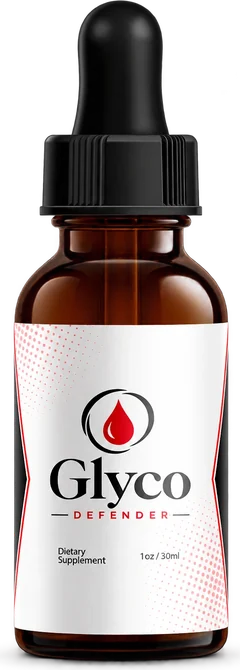
Glyco Defender: from $49 a bottle30 mL · 1, 3 or 6 bottles · free US shipping on 6 · 60-day money-back guarantee
See packsMedicine06
Does metformin help with insulin resistance?
Metformin, a prescription drug, lowered the risk of type 2 diabetes by 31% in the Diabetes Prevention Program (NIDDK, Diabetes Prevention Program).
That was a real effect, but a smaller one than the 58% seen with lifestyle change in the same trial. The two are not rivals. Some people use both, as their doctor advises.
Whether metformin suits you is a call for your prescriber. It depends on your numbers, your other conditions and your other medicines.
Supplements07
Where do supplements fit with insulin resistance?
Supplements sit at the edge of insulin resistance care, not the center. NCCIH says there is no reliable evidence that any herbal supplement can help control diabetes (NCCIH, Diabetes and Dietary Supplements).
NCCIH does note weak evidence from small, mixed studies for chromium, cinnamon and berberine. Chromium has the most data, yet a 2016 review found it does not help glucose in healthy people (NIH ODS, Chromium).
Glyco Defender lists 7 mcg of chromium per dropperful, 20% of the Daily Value. Key glucose trials used hundreds of micrograms. The drops also hold L-carnitine, last of 21 in a 15.47 mg blend; type 2 diabetes studies used 2 to 3 g a day (NIH ODS, Carnitine). Our chromium picolinate page has the detail.
A supplement does not replace a diabetes medicine or a lifestyle plan. Never stop or lower a prescribed dose on your own, and tell your care team about any supplement you add (ADA, Vitamins & Supplements).
If you do try the drops, the label dose is one dropperful a day. Our how to take Glyco Defender page covers timing.
Next steps08
What should you ask your doctor about insulin resistance?
Ask your doctor which test to run, what your result means, and when to test again. Those three answers turn a vague worry about insulin resistance into a plan.
Bring a list of every medicine and supplement you take. NCCIH advises telling all your providers about each supplement, because some can interact with medicines (NCCIH, Using Dietary Supplements Wisely).
Which test fits me?
A1C, fasting glucose or the 2-hour OGTT, and whether a repeat test is needed.
What is my band?
Normal, prediabetes or diabetes range, and how close I am to the next line.
Is a lifestyle program right for me?
Ask about a National Diabetes Prevention Program class near you.
When do we check again?
Put a date on the calendar for the next result.
FAQ09
Insulin resistance questions
What is insulin resistance in simple terms?
Insulin resistance means your cells do not respond well to insulin, the hormone that moves sugar from your blood into cells for energy. The body makes more insulin to keep up. Over time, blood sugar can rise into the prediabetes range, which shows up on an A1C or fasting glucose test.
Can you feel insulin resistance symptoms?
Usually not. Insulin resistance tends to be silent, and most people learn about it from a blood test. Symptoms such as thirst, frequent urination, tiredness and blurry vision usually appear only once blood sugar is high. If you notice them, ask your doctor for an A1C or fasting glucose test.
Which blood test shows insulin resistance?
Doctors usually track insulin resistance with the A1C, the fasting plasma glucose or the 2-hour oral glucose tolerance test. These measure blood sugar, not insulin itself. Prediabetes starts at an A1C of 5.7%, a fasting glucose of 100 mg/dL or a 2-hour result of 140 mg/dL, per NIDDK.
How long does it take to improve insulin resistance with lifestyle changes?
Our sources give no exact timeline for a single person. In the Diabetes Prevention Program, lifestyle changes cut type 2 diabetes risk by 58% over about three years. Ask your doctor when to repeat your A1C or fasting glucose so you can see your own trend.
Is walking enough for insulin resistance?
Walking can be a big part of it. The CDC target is at least 150 minutes a week of brisk activity, plus losing about 5% to 7% of body weight. Thirty-minute brisk walks on five days meet the activity goal. Pair them with eating changes for the best odds.
Does chromium help insulin resistance?
The evidence is weak. NCCIH notes small, inconsistent studies on chromium, and a 2016 review found it does not help glucose in healthy people. Trials used hundreds of micrograms a day. Glyco Defender lists 7 mcg per dropperful, so it is not a treatment for insulin resistance.
Should I take Glyco Defender for insulin resistance?
Glyco Defender has not been tested for insulin resistance or anything else. If you want to try it, ask your doctor first, especially if you take diabetes medicine. Lifestyle change has the strongest data: the DPP cut type 2 risk by 58%. Keep any prescribed plan in place.
Who wrote this10
Written and reviewed by
Pages built from the label, the sales page and linked NIH, FDA, CDC, FTC and peer-reviewed sources.
Last updated . Read our editorial standards and how we check reviews. This website is run by a licensed U.S. retail desk for Glyco Defender, not by the manufacturer or the label's distributor. Buying through our order links earns us money.
Keep reading
More about Glyco Defender

Licensed U.S. retail desk for Glyco Defender
Ready to try Glyco Defender?
Start by checking your medicines, then pick a pack. Six bottles cost the least per bottle and ship free in the US, and the 60-day money-back guarantee counts from the day you buy.
- Secure checkout
- 60-day money-back guarantee
- Ships from the U.S.