Ingredient profile
Gymnema Sylvestre and Blood Sugar: How Much Is in Glyco Defender?
Gymnema sylvestre is an Ayurvedic leaf, listed 8th of 21 in the Glyco Defender blend. That place caps it at about 1.9 mg per dropperful. Blood sugar studies used 200 to 400 mg of extract a day. A 2021 review found small drops in fasting glucose, but only against baseline, and robust trials are still lacking.
Written by the Glyco Defender label deskUpdated
The plant01
What is gymnema sylvestre in Glyco Defender?
Gymnema sylvestre is a plant whose leaf is used in Ayurveda, where it is called gurmar. Glyco Defender lists it as "Gymnema Sylvestre Leaf Extract", the 8th of 21 lines in its proprietary blend.
The line carries the "^" mark. The label explains it as "sourced from a concentrate with a 20:1 extract equivalent".
Gymnema is one of the few blend herbs with human glucose studies, which is why it gets its own profile. The table pulls the label line and the research into one view.
| Name on the label | Gymnema Sylvestre Leaf Extract |
|---|---|
| What it is | Gymnema sylvestre leaf |
| Place on the label | 8 of 21 in the 15.47 mg proprietary blend |
| Amount per mL (1 dropperful) | Not listed; #8 of 21 in the 15.47 mg blend, so at most 1.9 mg per mL |
| Extract footnote | 20:1 concentrate |
| Amount used in research | 200-400 mg a day of extract |
| Strength of evidence | Small trials; small effect |
| Marketed or traditional use | Ayurvedic leaf known as gurmar |
| Main caution | May add to diabetes medicines; dulls sweet taste. |
Label math02
How much gymnema is in one dropperful of Glyco Defender?
The label does not print a gymnema amount, but it does set a ceiling: at most 1.9 mg per dropperful. That limit comes from where gymnema sits in the list.
A proprietary blend lists its lines from most to least by weight (21 CFR 101.36 (eCFR)). The 8th line cannot outweigh the seven above it, so it holds at most 15.47 mg divided by 8. On an even split across all 21 lines, it would be about 0.74 mg.
Even the ceiling is under 1% of 200 mg, the low end of the studied range (Drugs.com, Gymnema monograph).
| Amount | Gymnema | Where it comes from |
|---|---|---|
| Even split | About 0.74 mg | 15.47 mg shared by 21 lines |
| Label-order ceiling | At most 1.9 mg | 15.47 mg divided by place 8 |
| Standardized extract trials | 200-400 mg | Extract with 25% gymnemic acids (Drugs.com, Gymnema monograph) |
| Leaf extract trials | 500-1,000 mg | Other studies in the monograph (Drugs.com, Gymnema monograph) |
The footnote03
Does the 20:1 mark make the gymnema stronger?
No. A 20:1 ratio means about 20 parts of dried leaf went into each part of extract. It describes yield, not potency, and it does not make two extracts comparable (Monagas et al., Front Pharmacol 2022).
The weight on the label stays the same. At most 1.9 mg of extract is still at most 1.9 mg, so multiplying by 20 to get a bigger number would mislead.
The label also prints no gymnemic acid percentage. The trials above used extracts standardized to 25% gymnemic acids, so the two cannot be matched.
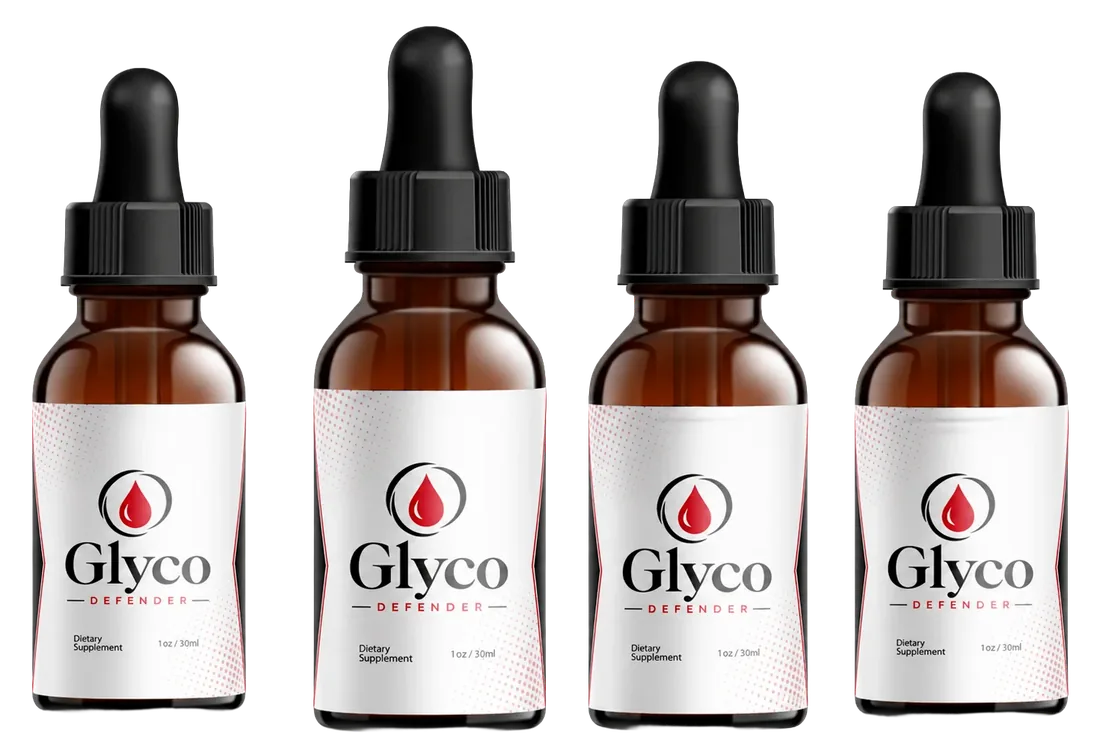
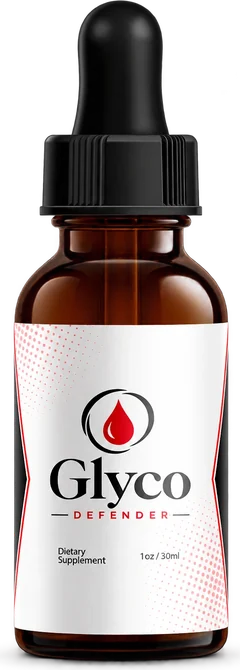
Nothing about gymnema. The front reads only "Dietary Supplement" and "1oz / 30ml". Blood sugar wording comes from the sales page (Glyco Defender sales page).
The research04
Does gymnema sylvestre help blood sugar?
Gymnema sylvestre has small studies behind it, not proof. A 2021 meta-analysis linked it with lower glucose readings in people with type 2 diabetes, but it compared people only with their own starting values (Devangan et al., Phytother Res 2021).
The Drugs.com monograph calls the fasting-glucose change statistically significant but clinically small, and says robust trials are still lacking (Drugs.com, Gymnema monograph).
Studies pooled
419 people with type 2 diabetes, taking gymnema at doses far above the drops.
Readings that fell
Fasting and post-meal glucose, A1C, triglycerides and total cholesterol, each against baseline.
Heterogeneity
Results varied so much between studies that one pooled number hides wide gaps.
Reading the studies05
Why are the gymnema studies hard to apply to Glyco Defender?
The studies differ from the drops in dose, form and design. Each gap makes their results a weak guide to one dropperful.
A baseline comparison cannot separate the herb from diet changes, other medicines or the extra attention of being in a study. Only a control group can do that.
- Dose: 200-1,000 mg a day in studies, at most 1.9 mg in the drops
- Form: standardized extracts in studies, no standard printed on the label
- Design: gains measured against baseline, not placebo (Devangan et al., Phytother Res 2021)
- Mix: gymnema alone in studies, one of 21 lines in the blend
Glyco Defender: from $49 a bottle30 mL · 1, 3 or 6 bottles · free US shipping on 6 · 60-day money-back guarantee
See packsSweet taste06
Does gymnema change how sweet foods taste?
Yes, gymnema reduces the perception of sweetness, which is the effect it is best known for (Drugs.com, Gymnema monograph). Whether at most 1.9 mg in a dropperful does the same has never been tested.
The sales page promises to "tame everyday cravings" (Glyco Defender sales page). A duller sweet taste is not the same as fewer cravings, and no study links this formula to either.
Oddly, the drops are sweetened too. The other ingredients include stevia and xylitol, and xylitol is dangerous to dogs (FDA, Paws Off Xylitol).
Safety07
How safe is gymnema with diabetes medicines?
Gymnema may add to the effect of diabetes medicines, so anyone on insulin or a sulfonylurea should ask a doctor before using it. Those drugs can cause lows on their own (NIDDK, Low Blood Glucose).
The monograph also reports one case of reversible liver injury linked to gymnema tea (Drugs.com, Gymnema monograph). A single case proves little, but it is worth telling your doctor if you have liver trouble.
Do not cut, skip or swap a diabetes medicine because a supplement contains gymnema. Bring the bottle to your next visit so your doctor can read the label (ADA, Vitamins & Supplements).
The full list of cautions is on the side effects page, and lows are covered in supplements and diabetes medicines.
The formula08
Where does gymnema fit in the full Glyco Defender formula?
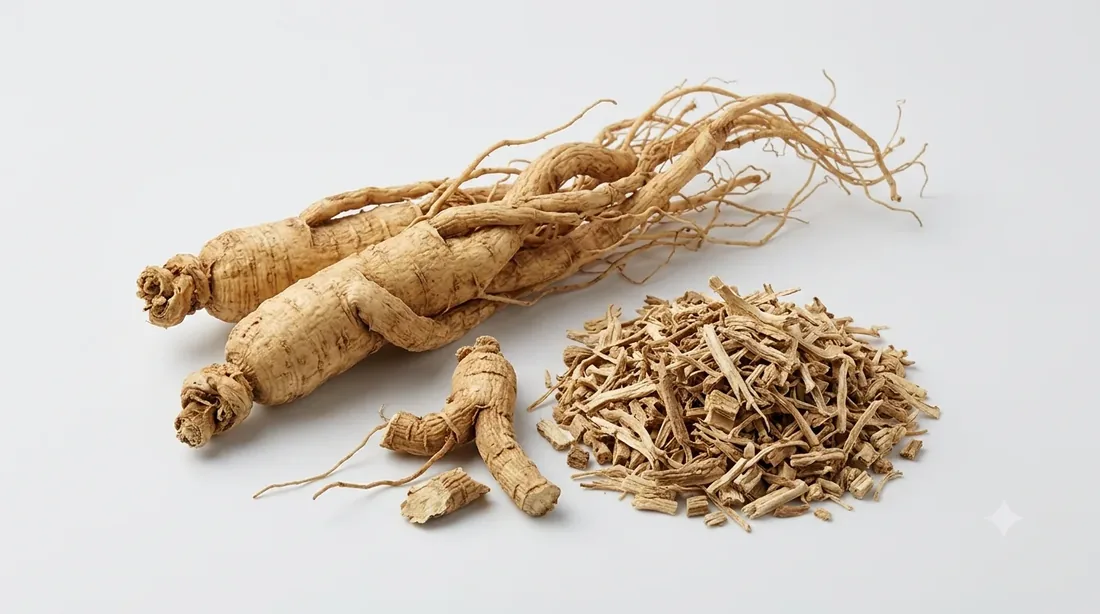
Gymnema is one of three ingredients with real glucose research, with chromium picolinate and Panax ginseng. All three sit at doses far below their studies.
The seven lines above gymnema include maca, African mango, grape seed and guarana. Each has its own profile, and the full ingredient list shows all 22 lines in label order.
FAQ09
Gymnema sylvestre questions
How much gymnema is in Glyco Defender?
The label does not say. Gymnema is 8th of 21 lines in a 15.47 mg blend listed by weight, so one dropperful holds at most about 1.9 mg. On an even split it would be about 0.74 mg. Blood sugar studies used 200 to 400 mg of extract a day (Drugs.com, Gymnema monograph).
What does gymnema sylvestre do for blood sugar?
In small studies of people with type 2 diabetes, gymnema was linked with lower fasting and post-meal glucose and A1C (Devangan et al., Phytother Res 2021). Those gains were measured against baseline, not placebo, and varied widely. The monograph calls the effect clinically small and says robust trials are lacking (Drugs.com, Gymnema monograph).
Does the gymnema in Glyco Defender reduce sugar cravings?
No study shows that. Gymnema is known to dull the taste of sweetness (Drugs.com, Gymnema monograph), but that was seen at doses far above the 1.9 mg ceiling in the drops. The sales page promise to tame cravings has not been tested in this product or at this dose.
Is gymnema safe to take with metformin or insulin?
Ask your doctor first. Gymnema may add to the effect of diabetes medicines, and insulin and sulfonylureas can cause lows on their own (NIDDK, Low Blood Glucose). Keep your medicine schedule as prescribed and tell your care team before starting any product with gymnema in it.
Can gymnema cause liver problems?
One case of reversible liver injury has been linked to gymnema tea (Drugs.com, Gymnema monograph). A single report does not show that gymnema harms the liver in general. If you have liver disease or notice dark urine or yellow skin, stop the product and call your doctor.
What does 20:1 gymnema extract mean on the label?
It means roughly 20 parts of dried leaf were used to make each part of extract. The ratio reflects yield, not strength, and it does not change the label weight (Monagas et al., Front Pharmacol 2022). The gymnema in one dropperful is still at most about 1.9 mg of extract.
Is the gymnema in Glyco Defender standardized?
The label prints no standard. Trials often used extracts standardized to 25% gymnemic acids (Drugs.com, Gymnema monograph), but the Glyco Defender panel lists only the plant name and the 20:1 footnote. Without a gymnemic acid figure, its extract cannot be matched to the ones in studies.
Who wrote this10
Written and reviewed by
Pages built from the label, the sales page and linked NIH, FDA, CDC, FTC and peer-reviewed sources.
Last updated . Read our editorial standards and how we check reviews. This website is run by a licensed U.S. retail desk for Glyco Defender, not by the manufacturer or the label's distributor. Buying through our order links earns us money.
Keep reading
More about Glyco Defender
Licensed U.S. retail desk for Glyco Defender
Ready to try Glyco Defender?
Start by checking your medicines, then pick a pack. Six bottles cost the least per bottle and ship free in the US, and the 60-day money-back guarantee counts from the day you buy.
- Secure checkout
- 60-day money-back guarantee
- Ships from the U.S.