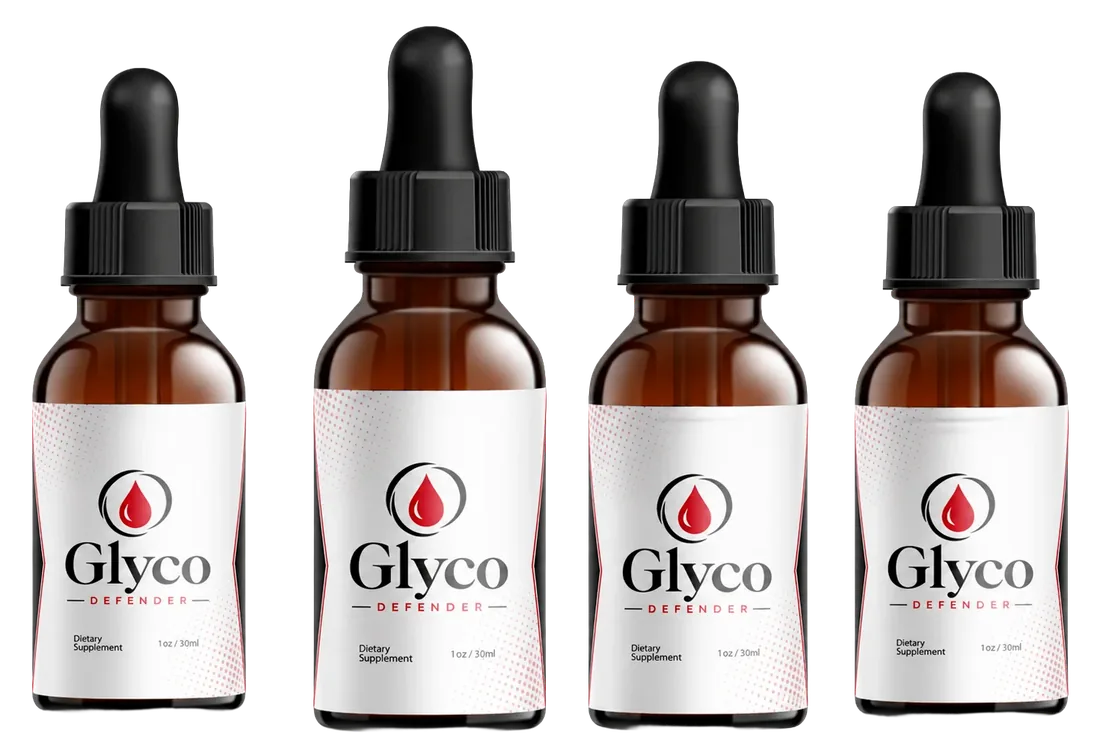
Ingredient profile
African Mango (Irvingia gabonensis) in Glyco Defender: Dose, Evidence and Cautions
African mango, or Irvingia gabonensis, is the second line in the Glyco Defender blend and the only one with a 10:1 extract mark. Its place caps it at about 7.7 mg per dropperful. One small trial used 300 mg a day. Evidence for weight loss is weak, and human blood sugar data are limited.
Written by the Glyco Defender label deskUpdated
The plant01
What is African mango (Irvingia gabonensis) in Glyco Defender?
African mango is the bush mango tree, Irvingia gabonensis. Glyco Defender uses an extract of its seed, not the fruit, and lists it second of 21 lines in the proprietary blend.
The label line reads "African Mango (Irvingia gabonensis) Seed Extract". It is sold mostly for weight and appetite, and it rarely appears in glucose research.
The profile table sets the label line next to what studies used. Every value comes from the bottle, MSKCC or the NIH weight-loss fact sheet.
| Name on the label | African Mango (Irvingia gabonensis) Seed Extract |
|---|---|
| What it is | Irvingia gabonensis seed (bush mango) |
| Place on the label | 2 of 21 in the 15.47 mg proprietary blend |
| Amount per mL (1 dropperful) | Not listed; #2 of 21 in the 15.47 mg blend, so at most 7.7 mg per mL |
| Extract footnote | 10:1 concentrate |
| Amount used in research | 150 mg twice a day (300 mg) |
| Strength of evidence | Weak, small trials |
| Marketed or traditional use | Sold for weight and appetite |
| Main caution | Gas, headache, sleep problems; caution with diabetes drugs. |
Label math02
How much African mango is in one dropperful?
One dropperful holds at most about 7.7 mg of African mango seed extract. The label hides the exact weight, but second place in the list sets that ceiling.
Blend lines appear in order of weight, heaviest first (21 CFR 101.36 (eCFR)). The 2nd line cannot weigh more than the 1st, maca, so it holds at most half of 15.47 mg. On an even split across 21 lines, it would be about 0.74 mg.
The trial often cited for African mango gave 150 mg before lunch and 150 mg before dinner (NIH ODS, Dietary Supplements for Weight Loss). The ceiling is about 2.6% of that 300 mg day.
| Amount | African mango | Basis |
|---|---|---|
| Even split | About 0.74 mg | 15.47 mg shared by 21 lines |
| Label-order ceiling | At most 7.7 mg | 15.47 mg divided by place 2 |
| One trial dose | 150 mg | Taken before lunch (NIH ODS, Dietary Supplements for Weight Loss) |
| Trial daily total | 300 mg | Two doses, 10-week study (NIH ODS, Dietary Supplements for Weight Loss) |
The footnote03
What does the 10:1 mark on African mango mean?
The 10:1 mark means about 10 parts of dried seed went into each part of extract. African mango is the only Glyco Defender line with that mark; the other plant lines carry 20:1.
A ratio describes yield, not strength. Researchers who studied plant-to-extract ratios call it a misconception that a higher ratio means a better extract (Monagas et al., Front Pharmacol 2022).
The label weight does not change either. At most 7.7 mg of extract stays at most 7.7 mg; multiplying it by 10 would only overstate the dose.
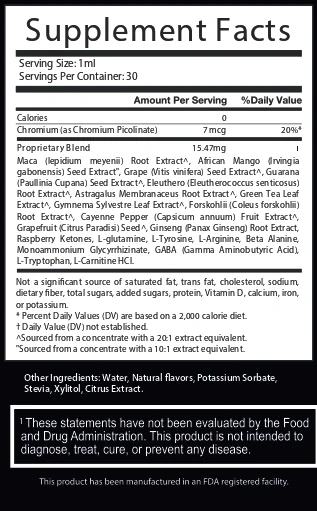
Look for the double prime after the African mango line and the footnote under the panel: "Sourced from a concentrate with a 10:1 extract equivalent." Every printed line is typed out on the supplement facts page.
The research04
Does African mango help weight or blood sugar?
The evidence for African mango is weak on weight and thin on blood sugar. MSKCC describes most studies as small and of poor method, with limited human data on glucose (MSKCC, Irvingia gabonensis (African mango)).
The NIH weight-loss fact sheet also calls the evidence limited (NIH ODS, Dietary Supplements for Weight Loss). NCCIH adds that it finds no reliable evidence that any herb helps control diabetes (NCCIH, Diabetes and Dietary Supplements).
Weight
Small trials, such as one 10-week study at 300 mg a day. Methods drew criticism.
Blood sugar
Few human data. The glucose finding MSKCC flags comes from rats.
This formula
No trial has tested African mango at 7.7 mg or less, or Glyco Defender itself.
Sales claim05
Is African mango good for metabolism?
No study shows African mango improves metabolism at the amount in Glyco Defender. The sales page uses the phrase "a healthy metabolism", but that is marketing wording, not a trial result (Glyco Defender sales page).
The research that exists measured body weight, mostly over weeks, at doses about 40 times the label ceiling. Even those findings are rated weak (MSKCC, Irvingia gabonensis (African mango)).
- Studied part: seed extract, the same part the label names
- Studied dose: 300 mg a day in one trial (NIH ODS, Dietary Supplements for Weight Loss)
- Label dose: at most 7.7 mg, likely less
- Outcome measured: weight, not metabolic rate
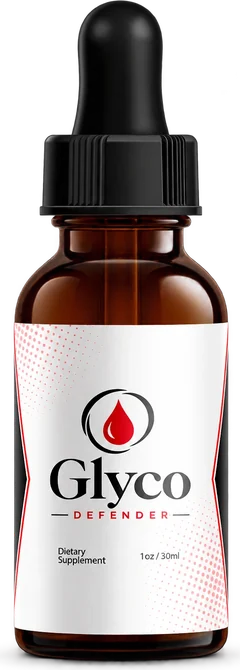
Glyco Defender: from $49 a bottle30 mL · 1, 3 or 6 bottles · free US shipping on 6 · 60-day money-back guarantee
See packsSafety06
What side effects does African mango have?
Gas, headache and trouble sleeping are among the reported side effects of African mango. MSKCC also notes one case of kidney failure that needed dialysis (MSKCC, Irvingia gabonensis (African mango)).
MSKCC lists diabetes medicines as a caution, because in rats the extract added to their glucose-lowering effect (MSKCC, Irvingia gabonensis (African mango)). At 7.7 mg or less the risk is unknown, not proven safe.
Do not change a diabetes medicine because a supplement contains African mango. If you use insulin or a sulfonylurea, ask your doctor first; those drugs can cause lows (NIDDK, Low Blood Glucose).
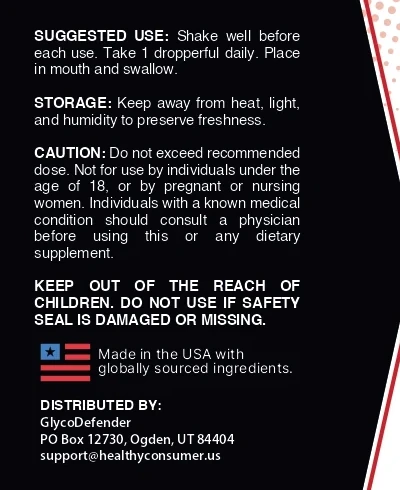
The bottle itself excludes people under 18 and pregnant or nursing women. More cautions sit on the side effects page.
Blend order07
Why is African mango second in the Glyco Defender blend?
Second place means African mango weighs more than any line below it and no more than maca, which is first. It is likely one of the larger shares of the blend.
Larger is relative. If maca and African mango together took most of the 15.47 mg, the other 19 lines would share only a few milligrams.
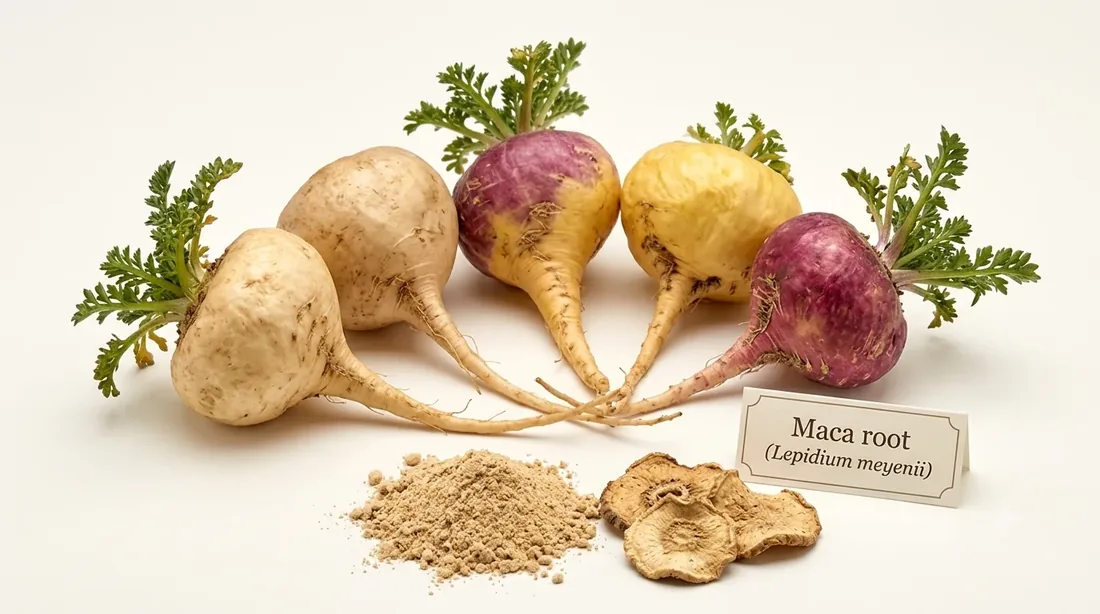
The label does not say how the weight is split. The maca line has its own profile on maca and adaptogens.
The formula08
How does African mango compare with the other Glyco Defender ingredients?
African mango has a higher ceiling than most lines but weaker glucose research than chromium, gymnema or ginseng. Its studies focus on weight.
The full ingredient list shows all 22 lines in label order, each with its most possible amount per mL.
FAQ09
African mango questions
How much African mango is in Glyco Defender?
The label does not print an amount. African mango is 2nd of 21 lines in a 15.47 mg blend listed by weight, so one dropperful holds at most about 7.7 mg. Shared evenly, it would be about 0.74 mg. One small trial used 300 mg a day (NIH ODS, Dietary Supplements for Weight Loss).
What is Irvingia gabonensis seed extract?
It is an extract made from the seed of Irvingia gabonensis, the bush mango tree. Glyco Defender uses the seed, not the fruit, from a concentrate marked 10:1. Supplements sell it mainly for weight and appetite, where MSKCC rates the evidence as weak (MSKCC, Irvingia gabonensis (African mango)).
Does African mango help with weight loss?
The evidence is weak. One small 10-week trial gave 150 mg before lunch and dinner (NIH ODS, Dietary Supplements for Weight Loss), and MSKCC says most studies are small with poor methods (MSKCC, Irvingia gabonensis (African mango)). No study tested the 7.7 mg or less found in a Glyco Defender dropperful, or the drops themselves.
Does African mango affect blood sugar?
Human data are limited. MSKCC notes that a glucose-lowering effect, and an added effect with diabetes drugs, was shown in rats (MSKCC, Irvingia gabonensis (African mango)). Animal results do not tell you what happens in people, and no human trial has tested African mango at the dose in Glyco Defender.
What are the side effects of African mango?
Reported side effects include gas, headache and trouble sleeping, and one case of kidney failure needing dialysis has been reported (MSKCC, Irvingia gabonensis (African mango)). No one has studied these effects at the amount in Glyco Defender. Stop and call your doctor if you notice anything unusual after starting it.
Why does African mango have a 10:1 ratio on the Glyco Defender label?
The footnote says it is sourced from a concentrate with a 10:1 extract equivalent, about 10 parts of seed per part of extract. The other plant lines use 20:1. Neither ratio measures strength, and neither changes the label weight (Monagas et al., Front Pharmacol 2022).
Can I take African mango with diabetes medicine?
Ask your doctor first. MSKCC lists diabetes medicines as a caution with African mango because of a possible added glucose-lowering effect (MSKCC, Irvingia gabonensis (African mango)). Insulin and sulfonylureas can cause lows on their own, so your care team should know about any supplement you add.
Who wrote this10
Written and reviewed by
Pages built from the label, the sales page and linked NIH, FDA, CDC, FTC and peer-reviewed sources.
Last updated . Read our editorial standards and how we check reviews. This website is run by a licensed U.S. retail desk for Glyco Defender, not by the manufacturer or the label's distributor. Buying through our order links earns us money.
Keep reading
More about Glyco Defender
Licensed U.S. retail desk for Glyco Defender
Ready to try Glyco Defender?
Start by checking your medicines, then pick a pack. Six bottles cost the least per bottle and ship free in the US, and the 60-day money-back guarantee counts from the day you buy.
- Secure checkout
- 60-day money-back guarantee
- Ships from the U.S.