Guides
Blood Sugar Support Guide: Numbers, Insulin Resistance, Medicines and Label Checks
This blood sugar support guide hub gathers four plain guides from the Glyco Defender desk: what A1C and fasting numbers mean, how insulin resistance works, how supplements mix with diabetes medicines and how to compare supplement labels. Each one is built on NIH, CDC, FDA and ADA sources, and none replaces advice from your own doctor.
Written by the Glyco Defender label deskUpdated
The four guides01
What are the Glyco Defender blood sugar guides?
The Glyco Defender blood sugar guides are four short explainers on the topics readers ask about most: test numbers, insulin resistance, medicines and supplement labels.
They are written by the same label desk as the product pages, with the same rules. Every number links to a public source.
Start with the numbers if you have a recent test result. Start with medicines if you already take a diabetes drug.
Blood sugar numbers
Normal, prediabetes and diabetes ranges for A1C and fasting glucose, and why a repeat test matters.
Insulin resistance basics
What the term means, how it is found and the daily habits with the best evidence.
Supplements and diabetes medicines
Which drugs can cause lows, which ingredients may add to them and the 15-15 step.
How to compare blood sugar supplements
Eight label checks, from printed doses to hidden blend amounts.
Support wording02
What is blood sugar support, and what can a supplement do?
Blood sugar support is label language for a supplement meant to help the body's normal handling of glucose. It is a structure or function claim, not a promise to treat diabetes.
FDA does not approve such claims in advance. The maker must have support for them and print a notice that FDA has not evaluated them (FDA, Structure/Function Claims).
The research is thin. NCCIH says most supplements lack evidence of benefit for diabetes, with weak hints for chromium, cinnamon and berberine (NCCIH, Diabetes and Dietary Supplements). The ADA does not find any supplement proven to lower glucose (ADA, Vitamins & Supplements).
What the evidence looks like
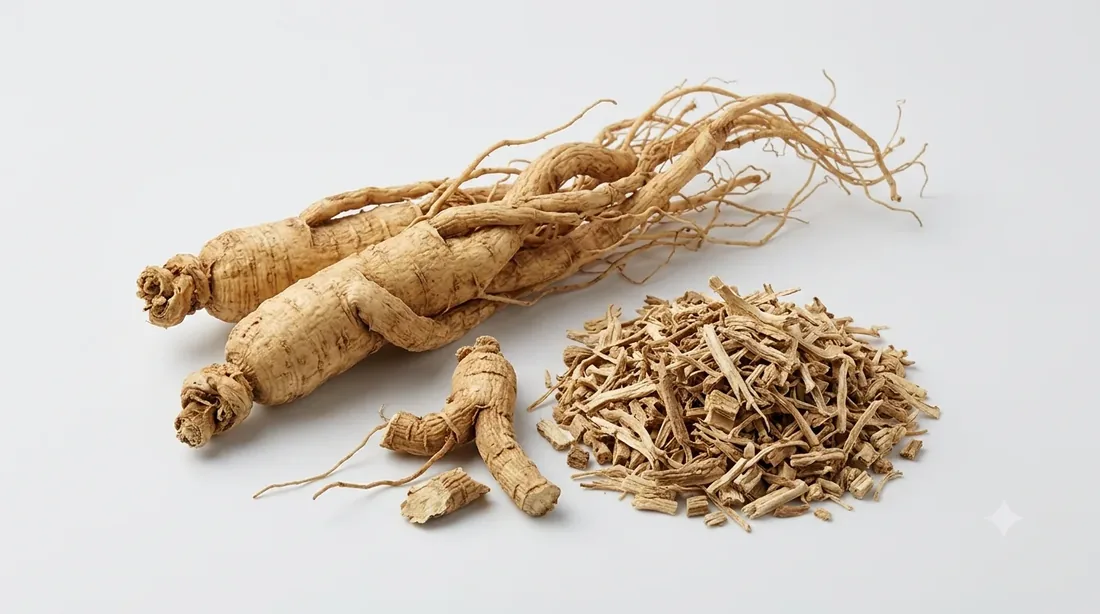
A review of 16 ginseng trials found fasting glucose about 5.6 mg/dL lower on average, with no change in A1C (Shishtar et al., PLoS One 2014). Doses ran from about 100 mg to 20 g a day. Small effects like these are why the guides stress numbers and habits first.
Numbers03
What blood sugar numbers should you know first?
The two numbers to know first are A1C and fasting glucose. An A1C of 6.5% or more, or a fasting level of 126 mg/dL or more, is in the diabetes range (NIDDK, Diabetes & Prediabetes Tests).
Prediabetes runs from 5.7% to 6.4% A1C, or 100 to 125 mg/dL fasting. A diagnosis needs two abnormal results.
About 115.2 million U.S. adults have prediabetes, and about 11.0 million adults have diabetes without knowing it (CDC, National Diabetes Statistics Report). Enter a reading below to see its range.
- NormalA1C below 5.7%Fasting below 100 mg/dL
- PrediabetesA1C 5.7-6.4%Fasting 100-125 mg/dL
- Diabetes rangeA1C 6.5% or higherFasting 126 mg/dL or higher
Type an A1C or a fasting number to see its range. One test is not a diagnosis; a doctor confirms with a repeat test.
Ranges from NIDDK (NIDDK, Diabetes & Prediabetes Tests). About 115.2 million U.S. adults have prediabetes, many without knowing it (CDC, National Diabetes Statistics Report). Home meters are not diagnostic tests.
Insulin resistance04
What is insulin resistance, in plain words?
Insulin resistance means the body responds less well to insulin, the hormone that helps move glucose out of the blood. Over time, glucose can rise into the prediabetes range.
When blood sugar climbs high, it can bring thirst, frequent urination, tiredness and blurry vision (CDC, Symptoms of Diabetes).
The habits with the best evidence are simple to name and hard to keep. The CDC points to two targets (CDC, Prediabetes).
- Lose about 5-7% of body weight, or 10-14 pounds at 200 pounds
- Get at least 150 minutes a week of brisk activity
- Ask about a CDC-recognized lifestyle change program
Medicines05
Can blood sugar supplements be taken with diabetes medicines?
Sometimes, but only with your doctor's input. Some supplement ingredients may add to diabetes medicines and push blood sugar too low.
For many people with diabetes, a low is under 70 mg/dL. Insulin, sulfonylureas and meglitinides can cause lows on their own (NIDDK, Low Blood Glucose). Chromium may strengthen their effect (NIH ODS, Chromium).
The treatment for a low is 15-20 g of fast carbohydrate, then a recheck in 15 minutes. Someone who passes out or has a seizure needs 911.
A supplement is never a reason to stop or change a prescribed drug. Bring the bottle to your doctor or pharmacist and ask before you start.
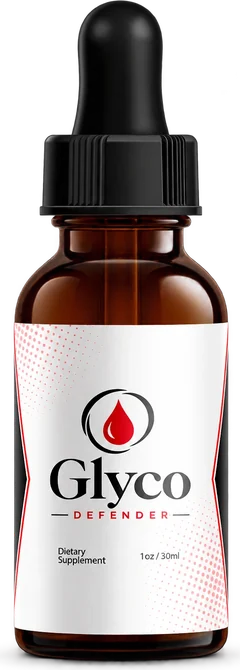
Glyco Defender: from $49 a bottle30 mL · 1, 3 or 6 bottles · free US shipping on 6 · 60-day money-back guarantee
See packsLabel checks06
How do you compare blood sugar supplements?
Compare blood sugar supplements by their labels, not their ads. Look for printed doses, how big any blend is and whether the product itself was ever tested.
Studied doses are the yardstick. A proprietary blend lists only a total and an order (21 CFR 101.36 (eCFR)), so each hidden line can be no larger than the total divided by its place.
The table runs Glyco Defender through six of the checks as a worked example.
| Check | Question | Glyco Defender |
|---|---|---|
| Printed dose | Is each amount listed? | Only chromium: 7 mcg |
| Studied dose | Does it match the research? | Chromium trials used 200-1,000 mcg |
| Blend size | How much is shared, by how many? | 15.47 mg across 21 lines |
| Product trial | Was the product tested? | No |
| Stimulants | Any caffeine sources? | Guarana and green tea, no amount |
| Cost per day | What does a dose cost? | About $1.63 to $2.97 |
What works07
What does the research say works for prediabetes?
Lifestyle change has the strongest record. In the Diabetes Prevention Program, it cut the risk of type 2 diabetes by 58% over about three years, and metformin cut it by 31% (NIDDK, Diabetes Prevention Program).
Ingredient guides08
Which Glyco Defender ingredients have their own guides?
Nine Glyco Defender ingredient guides cover all 22 label lines, from chromium picolinate to the amino acids. Each sets the label amount next to the doses used in studies.
Two guides are the best place to start. Chromium picolinate is the only line with a printed amount. Gymnema sylvestre has its own glucose meta-analysis of 10 studies (Devangan et al., Phytother Res 2021).
| Guide | Label place | Most per mL |
|---|---|---|
| Chromium picolinate | Printed line | 7 mcg |
| Maca, eleuthero, astragalus | 1st, 5th, 6th | 15.5, 3.1, 2.6 mg |
| African mango | 2nd | 7.7 mg |
| Grape seed | 3rd | 5.2 mg |
| Green tea and guarana | 7th, 4th | 2.2, 3.9 mg |
| Gymnema | 8th | 1.9 mg |
| Panax ginseng | 12th | 1.3 mg |
| The other blend lines | 9th to 11th, 13th, 18th | 1.7 mg or less |
| The 7 amino acids | 14th to 21st, minus 18th | 1.1 mg or less |
"Most per mL" is the label-order ceiling, 15.47 mg divided by the line's place. Real amounts are not printed and may be far lower.
FAQ09
Questions about the blood sugar guides
Which blood sugar guide should I read first?
Start with the numbers guide if you have a recent A1C or fasting result, since it shows which range you fall in. If you take insulin or another diabetes drug, read the medicines guide first. Then use the label checks guide before buying any supplement.
Are the Glyco Defender blood sugar guides medical advice?
No. The guides explain public health sources in plain words, but they cannot judge your health, test results or medicines. Use them to prepare questions for your doctor, and keep taking prescribed medicine as directed while you learn about any supplement.
What does blood sugar support mean on a supplement label?
It is a structure or function claim about the body's normal handling of glucose. FDA does not approve these claims, and the label must say FDA has not evaluated them. The wording does not mean the product can treat or prevent diabetes.
Do the blood sugar guides recommend Glyco Defender?
No. The guides teach how to read numbers and labels, and they use Glyco Defender only as a worked example. That example shows weak spots, such as 7 mcg of chromium and a 15.47 mg blend shared by 21 lines, alongside the facts printed on the bottle.
Where do the blood sugar guides get their numbers?
From public sources linked in the text: NIDDK for A1C and fasting ranges, CDC for national counts and weight goals, the Diabetes Prevention Program for risk cuts and NIH fact sheets for ingredient doses. Each source was opened again and checked on October 18, 2026.
How are the blood sugar guides kept current?
They are revised when a source, the label or the prices change, and the date at the top moves with each revision. If you spot an outdated number, email the website inbox with the page and the source, and the desk will check it.
Who wrote this10
Written and reviewed by
Pages built from the label, the sales page and linked NIH, FDA, CDC, FTC and peer-reviewed sources.
Last updated . Read our editorial standards and how we check reviews. This website is run by a licensed U.S. retail desk for Glyco Defender, not by the manufacturer or the label's distributor. Buying through our order links earns us money.
Keep reading
More about Glyco Defender
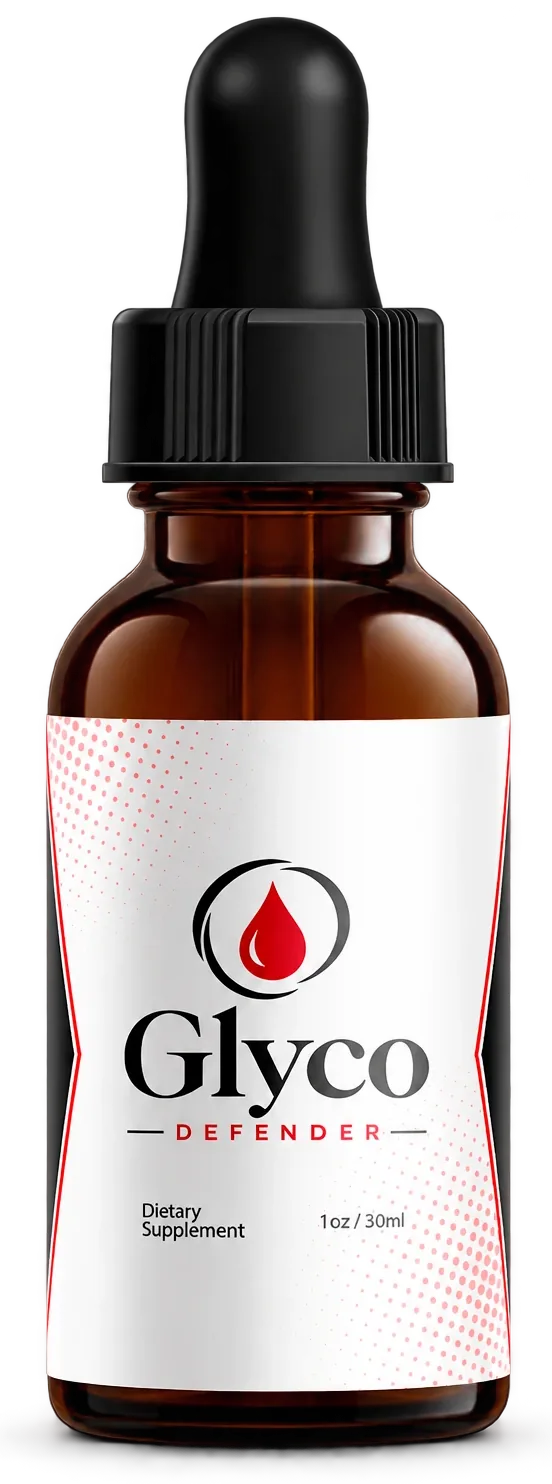
Licensed U.S. retail desk for Glyco Defender
Ready to try Glyco Defender?
Start by checking your medicines, then pick a pack. Six bottles cost the least per bottle and ship free in the US, and the 60-day money-back guarantee counts from the day you buy.
- Secure checkout
- 60-day money-back guarantee
- Ships from the U.S.