Ingredient profile
Maca Root Benefits, Eleuthero and Astragalus: What the Three Tonic Roots in Glyco Defender Add
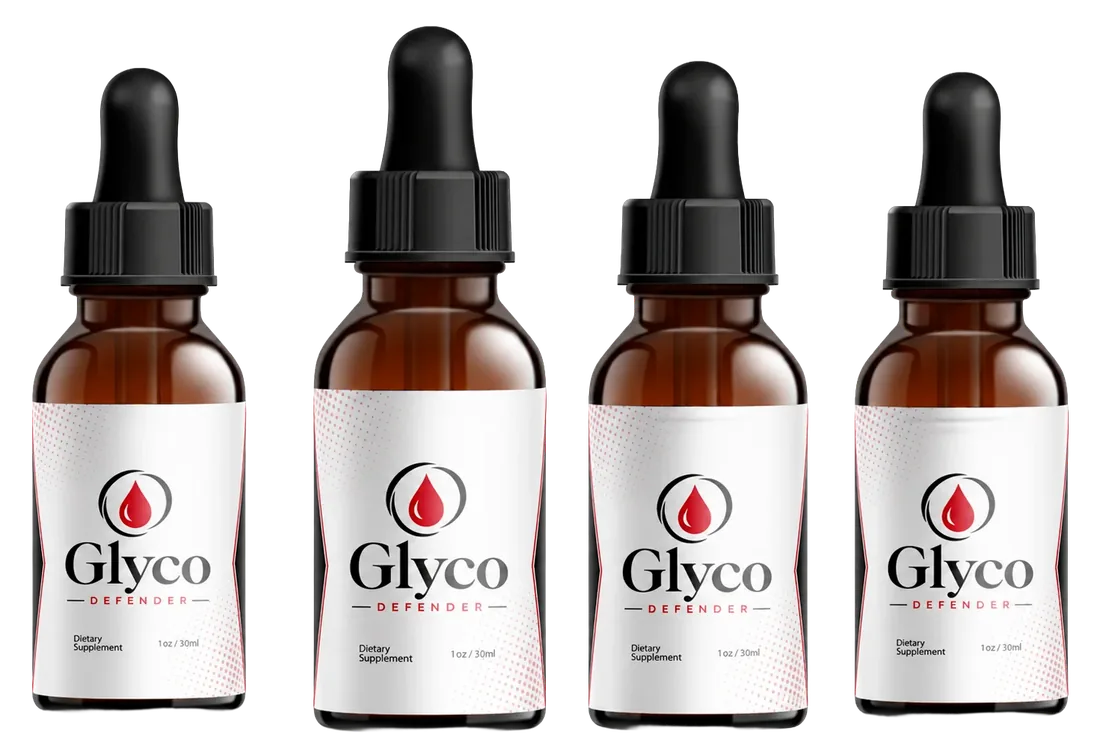
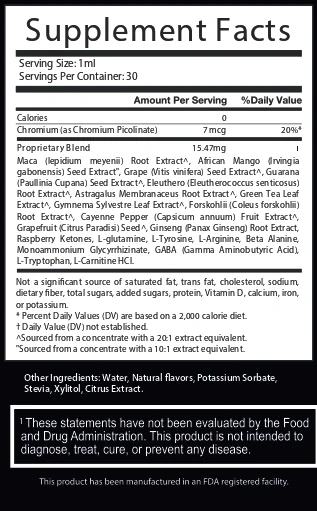
Maca root, eleuthero and astragalus are lines 1, 5 and 6 of the 15.47 mg blend in Glyco Defender, so one dropperful holds at most 15.5 mg, 3.1 mg and 2.6 mg of them. Maca root benefits in studies come from a few small trials on sexual function and menopause, not blood sugar. Eleuthero and astragalus have thin human evidence.
Written by the Glyco Defender label deskUpdated
Label order01
Why is maca listed first in Glyco Defender?
Maca is listed first because it is the heaviest of the 21 ingredients in the Glyco Defender blend. A proprietary blend must list its parts from most to least by weight (21 CFR 101.36 (eCFR)).
That rule gives the order, not the grams. The label prints one total for all 21 lines: 15.47 mg per 1 mL dropperful. Eleuthero sits in place 5 and astragalus in place 6.
The three roots on the panel
- Place 1: maca root extract
- Place 5: eleuthero root extract
- Place 6: astragalus root extract
- Each marked "^" for a 20:1 concentrate
Label profile02
What does the Glyco Defender label say about maca, eleuthero and astragalus?
The label names each root, its Latin name and its extract footnote. It gives no single amount for any of them.
Each profile pairs the printed line with the research.
| Name on the label | Maca (Lepidium meyenii) Root Extract |
|---|---|
| What it is | Lepidium meyenii, Andean root |
| Place on the label | 1 of 21 in the 15.47 mg proprietary blend |
| Amount per mL (1 dropperful) | Not listed; #1 of 21 in the 15.47 mg blend, so at most 15.5 mg per mL |
| Extract footnote | 20:1 concentrate |
| Amount used in research | Studied for other uses, not blood sugar |
| Strength of evidence | No blood sugar trials |
| Marketed or traditional use | Traditional Andean food and tonic |
| Main caution | Not for pregnancy or breastfeeding (the label already excludes both). |
| Name on the label | Eleuthero (Eleutherococcus senticosus) Root Extract |
|---|---|
| What it is | Siberian ginseng root |
| Place on the label | 5 of 21 in the 15.47 mg proprietary blend |
| Amount per mL (1 dropperful) | Not listed; #5 of 21 in the 15.47 mg blend, so at most 3.1 mg per mL |
| Extract footnote | 20:1 concentrate |
| Amount used in research | 800 mg a day in one trial |
| Strength of evidence | No effect in rigorous studies |
| Marketed or traditional use | Traditional tonic |
| Main caution | Can raise digoxin levels. |
| Name on the label | Astragalus Membranaceus Root Extract |
|---|---|
| What it is | Astragalus membranaceus root |
| Place on the label | 6 of 21 in the 15.47 mg proprietary blend |
| Amount per mL (1 dropperful) | Not listed; #6 of 21 in the 15.47 mg blend, so at most 2.6 mg per mL |
| Extract footnote | 20:1 concentrate |
| Amount used in research | No blood sugar dose established |
| Strength of evidence | Not established |
| Marketed or traditional use | Traditional Chinese herb |
| Main caution | Avoid with autoimmune disease or immune-suppressing drugs. |
Blend math03
How much maca is in one dropperful of Glyco Defender?
One dropperful holds at most 15.5 mg of maca, because the first line of a 15.47 mg blend cannot outweigh the whole blend.
The line in place k holds at most 15.47 divided by k milligrams. So eleuthero is at most 3.1 mg and astragalus at most 2.6 mg. An even split would give each of the 21 lines about 0.74 mg.
| Root | Place | Even split | Most possible | Research notes |
|---|---|---|---|---|
| Maca | 1 of 21 | About 0.74 mg | 15.5 mg | Small trials on other topics (MSKCC, Maca) |
| Eleuthero | 5 of 21 | About 0.74 mg | 3.1 mg | 800 mg a day in one trial (MSKCC, Siberian Ginseng (Eleuthero)) (NIH ODS, Exercise & Athletic Performance) |
| Astragalus | 6 of 21 | About 0.74 mg | 2.6 mg | No blood sugar dose set (NCCIH, Astragalus) |
Worked example: the eleuthero trial used 800 mg a day. A dropperful fits at most 3.1 mg, so matching it would take more than 250 dropperfuls. The label says one a day.
Extract ratio04
Does a 20:1 extract make the maca in Glyco Defender stronger?
No. A 20:1 ratio says roughly how much dried plant went into each unit of extract. It does not mean 20 times the strength (Monagas et al., Front Pharmacol 2022).
Extract researchers call "higher ratio, stronger product" a misconception. The ratio mostly reflects yield, and added carriers can shift it.
The label says "^Sourced from a concentrate with a 20:1 extract equivalent." The weight you swallow is still the printed 15.47 mg blend. Multiplying it by 20 would mislead you.
Maca05
What are the proven benefits of maca root?
Maca root has no proven benefit for blood sugar. The human research is a handful of small trials, mostly on sexual function and menopause symptoms (MSKCC, Maca).
Reviews rate that evidence as limited. Memorial Sloan Kettering's herb profile does not mention blood sugar at all. Maca is an Andean root long eaten as food.
Sexual function
A few small trials. Reviews call the results limited.
Menopause symptoms
Small trials with weak findings.
Blood sugar
No trial found, and the sales page cites none.
Maca may not be safe in pregnancy or breastfeeding, and people with hormone-sensitive cancers should ask a provider first (MSKCC, Maca). The label already rules out pregnant and nursing women.
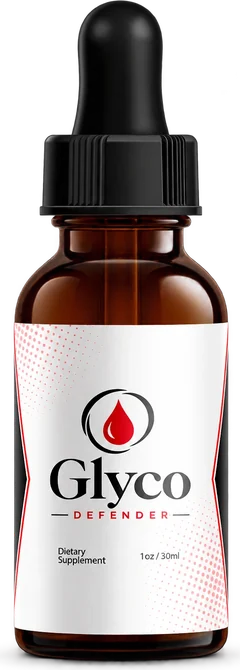
Glyco Defender: from $49 a bottle30 mL · 1, 3 or 6 bottles · free US shipping on 6 · 60-day money-back guarantee
See packsEleuthero06
What does eleuthero (Siberian ginseng) do in Glyco Defender?
Eleuthero is a traditional tonic root and the fifth blend line. Its blood sugar findings come from animal studies, not people (MSKCC, Siberian Ginseng (Eleuthero)).
Small human exercise studies found little or no benefit; short-term use looked safe (NIH ODS, Exercise & Athletic Performance).
Despite its nickname, eleuthero is not true ginseng. Panax ginseng sits in place 12; see the Panax ginseng profile.
A case report found eleuthero raised blood levels of the heart drug digoxin, and it may skew digoxin tests (MSKCC, Siberian Ginseng (Eleuthero)). On digoxin, ask your pharmacist first.
Astragalus07
Can astragalus help blood sugar?
Not on current evidence. NCCIH says there is not enough reliable evidence that astragalus helps any health condition (NCCIH, Astragalus).
A 2024 review of 20 mostly low-quality studies found astragalus plus metformin lowered fasting glucose and A1C more than metformin alone. Those doses were far above 2.6 mg.
People with autoimmune diseases should avoid astragalus, and it may interact with immune-suppressing medicines.
Never stop, skip or lower a diabetes drug because you started a supplement. Tell your care team about the drops.
Verdict08
Are maca, eleuthero and astragalus worth it in Glyco Defender?
They are small extras, not reasons to buy the drops. None of the three has human evidence for blood sugar.
"Adaptogen" is a loose word for tonic herbs, not an FDA category or a label term.
In their favor
- Each root named in full on the label
- Long use as food or tonics
Against them
- No human blood sugar trials for maca or eleuthero
- Hidden amounts: at most 15.5, 3.1 and 2.6 mg
Next ingredient09
Where do the three roots fit in the full Glyco Defender formula?
They are three of 22 label lines, next to chromium, gymnema, ginseng, two caffeine sources and seven amino acids.
See the full ingredient list, the Supplement Facts page or side effects and interactions.
FAQ10
Maca, eleuthero and astragalus questions
How much maca is in Glyco Defender?
The label does not say. Maca is the first of 21 lines in a 15.47 mg blend, so each dropperful holds at most 15.5 mg. Split evenly, the share would be about 0.74 mg. Single amounts stay hidden because the blend only has to show its total weight and order.
Does the maca in Glyco Defender help blood sugar?
No study shows that. The few human trials of maca looked at sexual function and menopause symptoms, and reviews call that evidence limited. Memorial Sloan Kettering's maca profile does not mention blood sugar. No trial has tested maca, or the drops, for glucose control.
Is eleuthero in Glyco Defender the same as Panax ginseng?
No. Eleuthero is often sold as Siberian ginseng, but it is a different plant. In Glyco Defender it sits in place 5 of the blend, at most 3.1 mg per dropperful. Panax ginseng is a separate line in place 12 with its own glucose research.
What does 20:1 mean for the maca in Glyco Defender?
It means the extract came from a concentrate made with about 20 parts dried plant to 1 part extract. The ratio describes yield, not potency. It does not change the weight on the label, so the maca still weighs at most 15.5 mg per dropperful.
Can I take the astragalus in Glyco Defender with an autoimmune disease?
Ask your doctor first. People with autoimmune diseases should avoid astragalus, NCCIH says, and it may interact with immune-suppressing medicines. The dose in a dropperful is at most 2.6 mg, but the label also tells anyone with a medical condition to consult a physician before use.
Does eleuthero in Glyco Defender interact with digoxin?
It might. A case report found eleuthero raised blood digoxin levels, and it may cause falsely high digoxin test results. The amount per dropperful is small, at most 3.1 mg, yet anyone on digoxin should check with a pharmacist before starting the drops.
Who wrote this11
Written and reviewed by
Pages built from the label, the sales page and linked NIH, FDA, CDC, FTC and peer-reviewed sources.
Last updated . Read our editorial standards and how we check reviews. This website is run by a licensed U.S. retail desk for Glyco Defender, not by the manufacturer or the label's distributor. Buying through our order links earns us money.
Keep reading
More about Glyco Defender

Licensed U.S. retail desk for Glyco Defender
Ready to try Glyco Defender?
Start by checking your medicines, then pick a pack. Six bottles cost the least per bottle and ship free in the US, and the 60-day money-back guarantee counts from the day you buy.
- Secure checkout
- 60-day money-back guarantee
- Ships from the U.S.