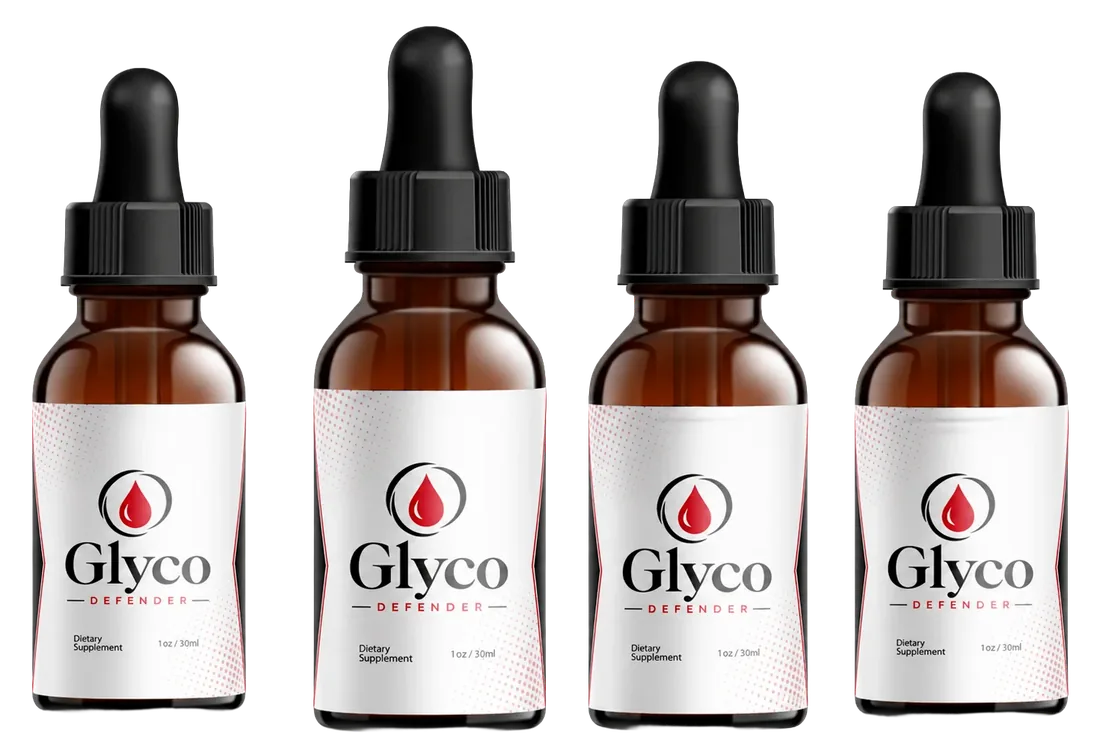
Guide
The Best Blood Sugar Supplement? 8 Label Checks to Compare Any Bottle
There is no proven best blood sugar supplement: the ADA finds no supplement proven to lower blood glucose. Compare labels instead, with eight checks: printed amounts, studied doses, blend math, extract ratios, claim wording, extra ingredients, maker, and cost with refunds. Glyco Defender's label is complete, but its doses are small.
Written by the Glyco Defender label deskUpdated
The honest answer01
What is the best blood sugar supplement?
No supplement has earned the title of best blood sugar supplement. The ADA says its Standards of Care do not find supplements proven to lower blood glucose or support diabetes management (ADA, Vitamins & Supplements).
NCCIH finds weak hints for chromium, cinnamon and berberine, and little else (NCCIH, Diabetes and Dietary Supplements).
So we do not rank brands. The eight checks below read any label the same way, and we apply them to Glyco Defender, flaws included.
The checklist02
What should you check on a blood sugar supplement label?
Check a blood sugar supplement label for eight things, from printed doses to refund terms.
The first four cover what is inside; the last four cover how it is sold.
1. Printed amounts
Does each key ingredient show its own weight?
2. Studied doses
Do amounts match study doses?
3. Blend math
What can each hidden line hold?
4. Extract ratios
Is 20:1 sold as strength?
5. Claim wording
Disease claims, or the FDA statement?
6. Extra ingredients
Caffeine, sweeteners, interactions.
7. Maker and quality
Who makes it; what badges mean.
8. Cost and refunds
Cost per day, refunds, reviews.
Checks 1 and 203
How do you compare supplement doses with the research?
Compare supplement doses by setting the amount on the label next to the daily amount used in studies of that ingredient.
Key chromium trials used 200 to 1,000 mcg a day (NIH ODS, Chromium). Gymnema studies typically used 200 to 400 mg of extract (Drugs.com, Gymnema monograph).
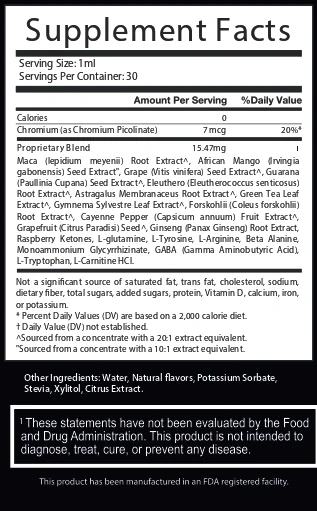
Glyco Defender prints 7 mcg of chromium per dropperful: it passes check 1 for chromium and misses check 2. The bars show the gap.
Checks 3 and 404
How do you judge a proprietary blend and an extract ratio?
Judge a proprietary blend by dividing its total weight by its place in the list. Rules let a blend show only its total, in order from most to least by weight (21 CFR 101.36 (eCFR)).
So the line in place k can weigh at most the total divided by k. In Glyco Defender, 15.47 mg is shared by 21 lines. Gymnema sits eighth, so it holds at most about 1.9 mg.
A 20:1 extract ratio means about 20 parts of plant made 1 part of extract. It reflects yield, not potency (Monagas et al., Front Pharmacol 2022), so never multiply a blend weight by it. See the Glyco Defender supplement facts for all 22 lines.
Check 505
Which blood sugar supplement claims are red flags?
The biggest red flag is any claim to treat diabetes or replace its care. Supplements may not claim to treat a disease (FDA, Structure/Function Claims).
A legal support claim carries a statement that FDA has not evaluated it. FDA has warned sellers that market supplements as diabetes treatments (FDA, Illegally Sold Diabetes Treatments).
Proof talk needs proof: the FTC expects trials of the same product, dose and population (FTC, Health Products Compliance Guidance). No trial of Glyco Defender exists.
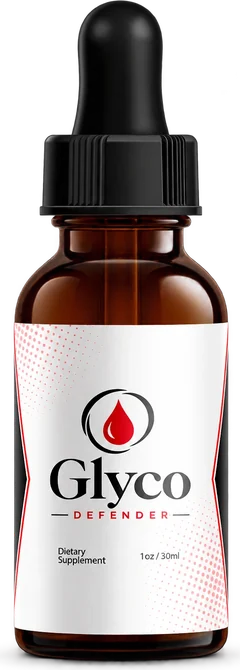
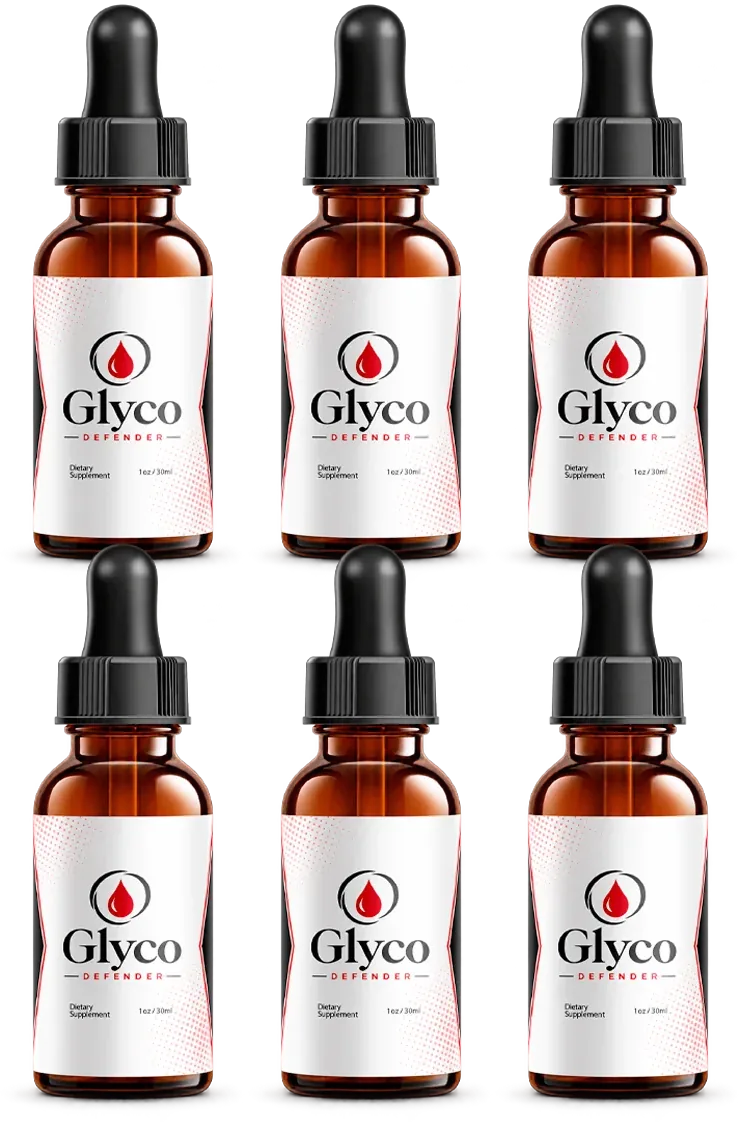
Glyco Defender: from $49 a bottle30 mL · 1, 3 or 6 bottles · free US shipping on 6 · 60-day money-back guarantee
See packsCheck 606
What hidden extras should you look for in a supplement?
Look for caffeine sources, sweeteners and ingredients with medicine interactions, often hidden in the blend or other ingredients.
Guarana is a caffeine source, and some labels do not declare the amount (NIH ODS, Dietary Supplements for Weight Loss). Glyco Defender has guarana and green tea with no caffeine figure.
Its other ingredients include xylitol, which can cause a fast, dangerous drop in a dog's blood sugar (FDA, Paws Off Xylitol).
Never stop or change a prescribed medicine for any bottle. Some supplements add to diabetes medicines, so ask your doctor first (ADA, Vitamins & Supplements).
Check 707
How can you tell who makes a supplement and how it is tested?
Read the label's small print, which names the distributor or maker and any facility line.
FDA says facility registration does not mean approval or endorsement (FDA, Registration of Food Facilities guide). Quality matters: 776 supplements with hidden drug ingredients were found from 2007 to 2016 (Tucker et al., JAMA Netw Open 2018).
Glyco Defender names its distributor in Ogden, Utah, but not its maker, and publishes no lab report. See is Glyco Defender legit?
Check 808
How do you compare blood sugar supplement prices and refunds?
Compare blood sugar supplement prices per day, not per bottle, then read the refund and billing terms.
Glyco Defender costs $89, $59 or $49 a bottle by pack size, about $2.97, $1.97 or $1.63 a day. The sales page lists no subscription and a 60-day money-back guarantee; you pay return postage. See the Glyco Defender price page.
The FTC bans fake reviews (FTC, Final rule banning fake reviews) and advises comparing reviews across sites (FTC, How To Evaluate Online Reviews).
Applied09
How does Glyco Defender do on the 8 checks?
Glyco Defender clears the checks about openness and terms, and falls short on the checks about dose and proof.
The verdicts come only from the label, the sales page and the cited sources. Use the same table for any bottle.
| Check | What the label or seller shows | Verdict |
|---|---|---|
| 1. Printed amounts | Chromium printed; blend amounts hidden | Partly |
| 2. Studied doses | 7 mcg vs 200-1,000 mcg in trials | Falls short |
| 3. Blend math | Order printed, ceilings workable | Checkable |
| 4. Extract ratios | Ratios printed, not sold as dose | Clear |
| 5. Claim wording | No front claim; no product trial | Partly |
| 6. Extra ingredients | Caffeine sources with no amount; xylitol | Flags |
| 7. Maker and quality | Distributor named; maker and lab report not | Partly |
| 8. Cost and refunds | $1.63-$2.97 a day; 60-day guarantee | Clear |
FAQ10
Questions about comparing blood sugar supplements
Is any blood sugar supplement backed by strong trials?
No. The ADA's Standards of Care do not find supplements that reliably improve blood glucose or diabetes management. NCCIH notes only weak, mixed evidence for chromium, cinnamon and berberine. A product that talks about proof should name a trial of that exact product, dose and population.
How do I compare doses between blood sugar supplements?
Set each printed amount beside the daily dose used in studies. Chromium trials used 200 to 1,000 mcg a day, and gymnema studies used 200 to 400 mg of extract. If a blend hides amounts, divide the blend total by the ingredient's place in the list.
Is a proprietary blend a bad sign on a blood sugar supplement?
Not by itself, since the rules allow it, but you cannot see single amounts. Divide the total by each ingredient's place to find its ceiling. In Glyco Defender, 21 lines share 15.47 mg, so gymnema, eighth, holds at most about 1.9 mg.
Does a higher extract ratio make a blood sugar supplement stronger?
No. A ratio such as 20:1 tells you roughly how much plant went into the extract. Researchers call it a misconception that a higher ratio means a stronger extract. Judge the printed weight, not the ratio, when you compare bottles.
What claims should make me avoid a blood sugar supplement?
Avoid any product that claims to treat diabetes, replace diabetes medicine or carry FDA approval. Supplements may not claim to treat a disease, and FDA does not approve them before sale. Be wary of proof language that names no trial of that exact product and dose.
How should I compare blood sugar supplement reviews?
Compare reviews across several sites, watch for sudden bursts of praise and check reviewer history, as the FTC advises. Fakes are hard to spot by eye. Glyco Defender has no verified reviews yet, so we show empty slots, not ratings or quotes.
How does Glyco Defender compare on price per day with other blood sugar supplements?
We do not price other brands. Glyco Defender costs about $2.97 a day on one bottle, $1.97 on three and $1.63 on six. Work out the same per-day figure, plus shipping, for any bottle you weigh.
Who wrote this11
Written and reviewed by
Pages built from the label, the sales page and linked NIH, FDA, CDC, FTC and peer-reviewed sources.
Last updated . Read our editorial standards and how we check reviews. This website is run by a licensed U.S. retail desk for Glyco Defender, not by the manufacturer or the label's distributor. Buying through our order links earns us money.
Keep reading
More about Glyco Defender
Licensed U.S. retail desk for Glyco Defender
Ready to try Glyco Defender?
Start by checking your medicines, then pick a pack. Six bottles cost the least per bottle and ship free in the US, and the 60-day money-back guarantee counts from the day you buy.
- Secure checkout
- 60-day money-back guarantee
- Ships from the U.S.