Blog · Label words
What Does 20:1 Extract Mean? The Ratio Behind the Footnote
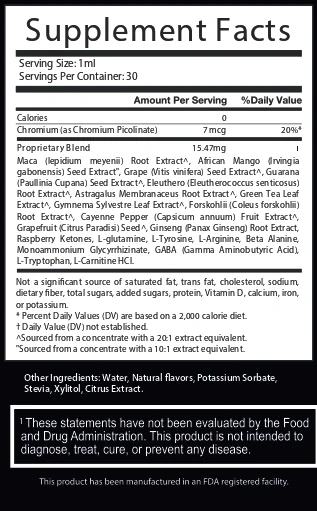
A 20:1 extract means about 20 grams of dried plant were used to make 1 gram of extract. The ratio describes how much plant went into the process, not how strong the result is. On the Glyco Defender label, ten lines carry that footnote, yet the whole blend still weighs 15.47 mg.
Written by the Glyco Defender label deskUpdated · 4 min read
What does 20:1 extract mean on a supplement label?
A 20:1 extract is made from roughly 20 parts of dried plant for every 1 part of finished extract. It is a yield figure, plant first, extract second.
Think of boiling strong tea down to a syrup. Twenty scoops of leaf become one scoop of concentrate. Reviewers call it a misconception that a higher ratio means a stronger or better extract (Monagas et al., Front Pharmacol 2022).
Does a higher extract ratio mean a stronger supplement?
No. The ratio says nothing about which compounds were pulled out or how much of them remain (Monagas et al., Front Pharmacol 2022).
Two makers can both print 20:1 and ship different products. Only a test for a named compound shows strength.
| Question | Does 20:1 answer it? |
|---|---|
| How much plant went in? | Yes, about 20 g per 1 g |
| How much active compound is inside? | No |
| How many mg are in one dropperful? | No |
How does the Glyco Defender label use the 20:1 footnote?
Ten blend lines, from maca to grapefruit seed, carry the caret for a 20:1 concentrate. African mango seed carries a quote mark for 10:1.
The label adds no milligrams for this. The whole blend is 15.47 mg across 21 lines, about 0.74 mg each if split evenly.
Computing 15.47 mg times 20 gives a number the label never prints. Treat the printed weight as the weight.
Gymnema trials used 200 to 400 mg of extract; the 8th-place line here holds at most 1.9 mg (Drugs.com, Gymnema monograph). See the ingredients page.
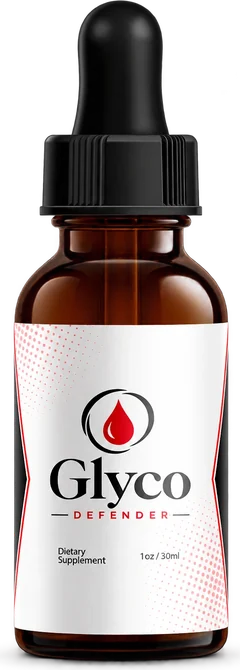
Glyco Defender: from $49 a bottle30 mL · 1, 3 or 6 bottles · free US shipping on 6 · 60-day money-back guarantee
See packsHow can you use extract ratios when you compare supplements?
Use the ratio as a clue about the plant source, then look for milligrams and a named compound before judging a dose.
Find the weight
Look for mg per serving for each plant. A blend total hides it.
Check the standard
Is the extract tied to a compound, like a percent of gymnemic acids?
Match a study dose
Compare with doses used in human trials, not plant weight.
More tips: how to compare blood-sugar supplements.
Thinking of ordering Glyco Defender?
Popular size
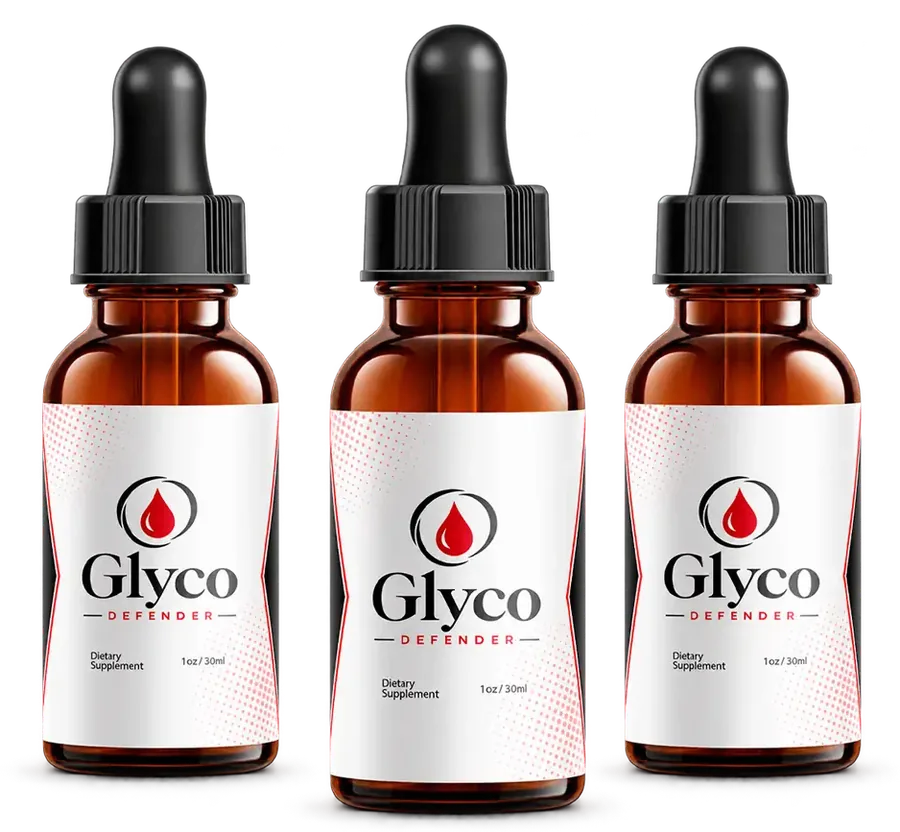
3 bottles: $177$59 a bottle · 90 days · about $1.97 a day · Shipping shown at checkoutGet 3 bottles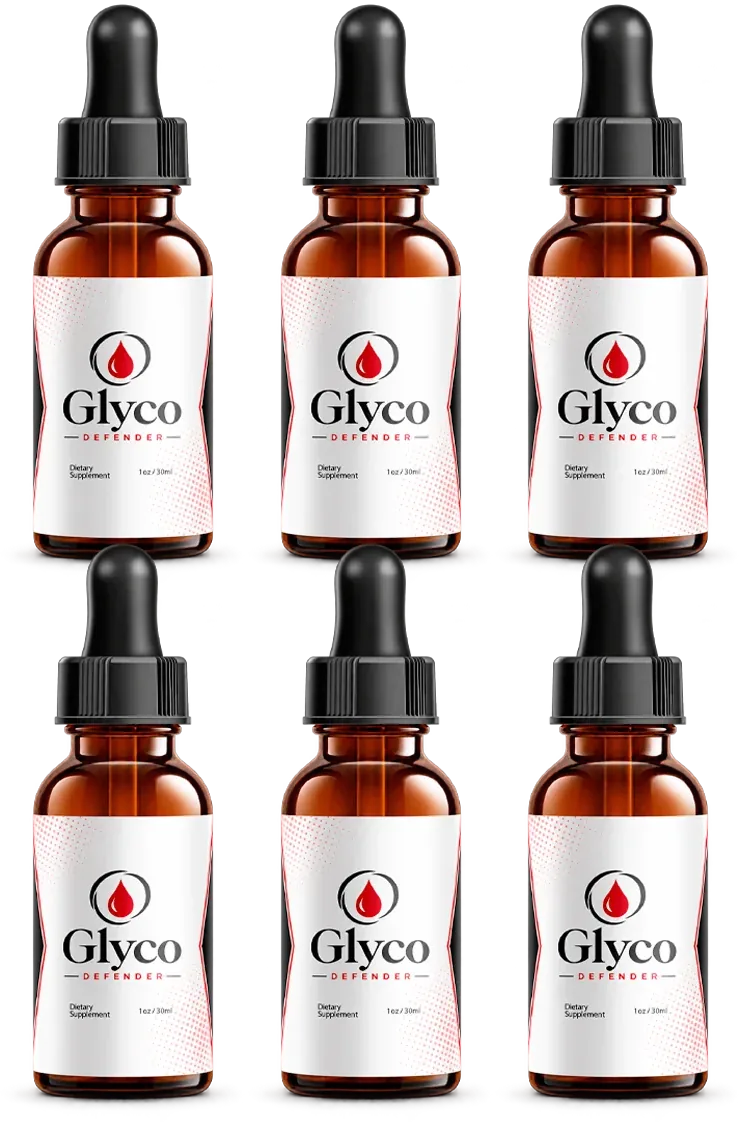
Best value
6 bottles: $294$49 a bottle · 180 days · about $1.63 a day · Free US shippingGet 6 bottlesSales-page prices, October 18, 2026 (Glyco Defender sales page). One bottle is $89. 60-day money-back guarantee. Check your medicines with your doctor first.
FAQ01
Questions about extract ratios
Is 10:1 or 20:1 extract better?
Neither is better by ratio alone. A 20:1 extract used more plant per gram, but that does not prove more active compound (Monagas et al., Front Pharmacol 2022). Compare named compounds and milligrams per serving instead.
Why does the Glyco Defender label list two ratios?
Ten lines come from 20:1 concentrates and African mango seed from a 10:1 concentrate, so the label prints two footnotes. The 15.47 mg blend total does not change because of either one.
Can I work out plant weight from a 20:1 label?
Not reliably. The label gives no weight per ingredient, and carriers can shift a ratio (Monagas et al., Front Pharmacol 2022). Multiplying the blend total by 20 would invent a figure the label never prints.
Who wrote this02
Written and reviewed by
Pages built from the label, the sales page and linked NIH, FDA, CDC, FTC and peer-reviewed sources.
Last updated . Read our editorial standards and how we check reviews. This website is run by a licensed U.S. retail desk for Glyco Defender, not by the manufacturer or the label's distributor. Buying through our order links earns us money.
Keep reading
More about Glyco Defender
Licensed U.S. retail desk for Glyco Defender
Ready to try Glyco Defender?
Start by checking your medicines, then pick a pack. Six bottles cost the least per bottle and ship free in the US, and the 60-day money-back guarantee counts from the day you buy.
- Secure checkout
- 60-day money-back guarantee
- Ships from the U.S.